
English


Views: 298 Author: Dapeng Aluminum Publish Time: 2026-09-28 Origin: Site


Content Menu
>> How to recognize a capable supplier
>> Supplier comparison at a glance
>> 1. Guangdong Dapeng Aluminum Industry Co., Ltd.
>> 2. Henan Huawei Aluminum Co., Ltd.
>> 3. Henan Haomei Aluminum Co., Ltd.
>> 4. Henan Hobe Metal Materials Co., Ltd.
>> 5. Sichuan Joda New Material Technology Co., Ltd.
>> 6. Henan Mingtai AL. Industrial Co., Ltd.
>> 7. Henan Signi Aluminium Co., Ltd.
>> 9. Qinghai Shuanglin Jiate Metal Technology Co., Ltd.
>> 10. Shandong Zhongshun Aluminum Co., Ltd.
>> Specify the finished operation first
>> Do not confuse documentation types
>> Run a traceable sample process
>> The less-visible pitfall: sample-to-lot substitution
>> Compare landed risk, not just price
● FAQs
>> 1. How can I tell whether a supplier's ISO certificate has expired or covers the wrong plant?
>> 2. Why do discs with the correct alloy chemistry still crack in our press?
>> 3. Is a supplier's published annual aluminum capacity enough to prove it can meet my disc schedule?
>> 5. How do I detect a changed production source after sample approval?
China offers international buyers a broad aluminum supply chain, from rolled sheet and coil to blanking, annealing, finishing, and export packing. In its 2025 statistical communiqué, China's National Bureau of Statistics reported 45.016 million metric tons of primary aluminum production, up 2.4% year on year. That figure describes primary aluminum, not aluminum disc output or exports; it is useful context for the scale of the upstream industry, not a measure of any supplier's disc capacity.
Geography matters when building a shortlist. Gongyi and Zhengzhou in Henan appear repeatedly in the published profiles of aluminum circle suppliers, while Guangdong-based Dapeng combines profile and sheet processing with an advertised aluminum circle product. Buyers should treat these clusters as starting points for factory visits—not as proof that every company performs every process in-house.
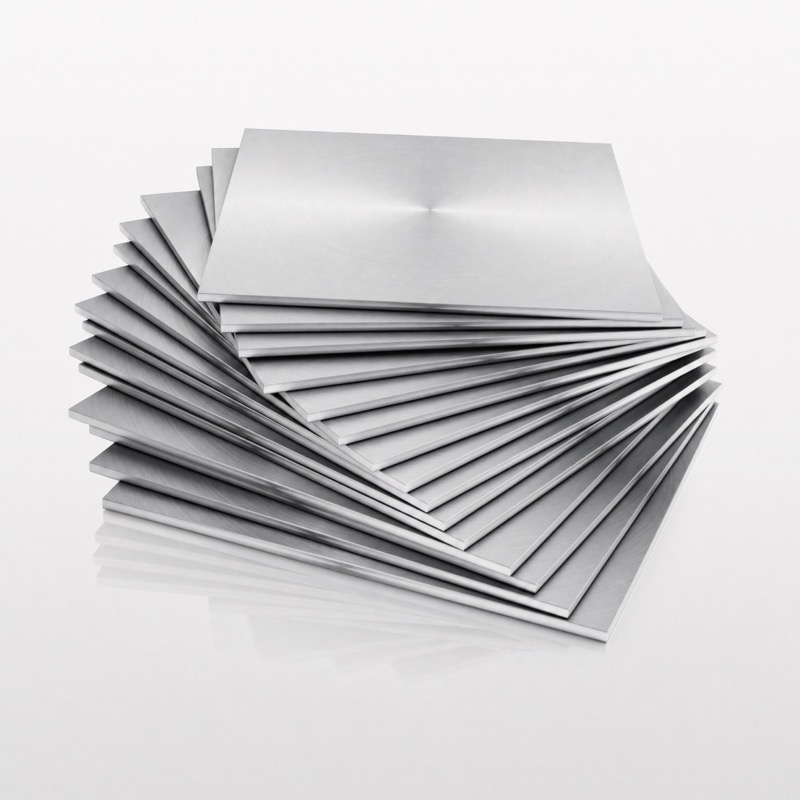
An aluminum disc, also called an aluminum circle or round blank, is typically cut from rolled sheet or coil before being formed into cookware, lighting parts, signs, or other components. The right long-term supplier is therefore not simply the one with the lowest price per ton. Buyers need evidence that its alloy, temper, blanking method, quality controls, and available production slots match the finished part.
Start with four questions:
- Can the supplier identify the legal manufacturer, production site, and processes performed there?
- Can it connect each shipment to an alloy-and-temper specification, material test report, inspection record, and production lot?
- Can its technical team review a drawing and explain likely forming, edge, or surface risks?
- Can it commit to a realistic production schedule and document what happens if a lot fails inspection?
A certificate or a polished sample helps, but neither answers all four questions. For a repeat program, inspect the proposed production route and test blanks from a traceable lot before approving volume orders.
This is a buyer-oriented shortlist, not an audited ranking by market share. Inclusion means that publicly available material identifies the company with aluminum discs/circles or relevant rolled aluminum products. Position on the list does not establish independently measured product quality. Guangdong Dapeng appears first because this guide is prepared for its website; buyers should apply the same checks to Dapeng as to every other company.
We weighed five practical criteria: visible product relevance; available information about manufacturing processes; evidence of export or customer-market activity; the scope for dimensional or material customization; and the ability to verify capacity, MOQ, and compliance claims before purchase. Where a founding year, *disc-specific* capacity, or current certificate could not be established from the material reviewed, it is marked not independently verified rather than estimated.
The capacity figures below are deliberately labelled by product scope. A company's sheet, coil, or total-product capacity must not be read as its aluminum disc capacity. "Request quotation" means no reliable, generally applicable disc MOQ was established for this comparison.
| Supplier | Purchasing fit | Published capacity or production indicator | Disc MOQ | Certification evidence to request |
|---|---|---|---|---|
| Guangdong Dapeng Aluminum Industry Co., Ltd. | Custom circles alongside profiles and sheet processing | Disc-specific capacity not independently verified | Request quotation | Current certificate, scope, site, and lot reports; do not rely on a website claim alone |
| Henan Huawei Aluminum Co., Ltd. | Disc-focused export programs | Company site says it produces and exports 2,500 tons of discs annually | Request quotation | Current management-system certificate and product-specific reports |
| Henan Haomei Aluminum Co., Ltd. | Broad alloy and disc range | Published rolling-line information; disc-specific capacity not established | Request quotation | Current certificate and site scope; published management-system wording requires checking |
| Henan Hobe Metal Materials Co., Ltd. | Cookware circles and spinning blanks | Company reports seven circle production lines | Product-dependent; confirm against a formal quote | Current certificate and batch-level test documents |
| Sichuan Joda New Material Technology Co., Ltd. | Disc sourcing linked to sheet and coil production | Company reports 200,000 tons/year for its wider product range, not discs alone | Request quotation | Current certificate and manufacturing-site details |
| Henan Mingtai AL. Industrial Co., Ltd. | Large-scale rolled feedstock or arranged circle supply | Company reports 1.4 million tons/year of sheet, strip, and foil, not discs | Request quotation | Confirm disc conversion site and applicable certificate |
| Henan Signi Aluminium Co., Ltd. | Hot-rolled material and cookware circles | Disc-specific capacity not independently verified | Request quotation | Current certificate, issuer, scope, and lot documents |
| Henan Chalco Aluminum | Forming-oriented circles and specialty materials | Disc-specific capacity not independently verified | Request quotation | Current certificate and application-specific reports |
| Qinghai Shuanglin Jiate Metal Technology Co., Ltd. | Flat products, discs, and related processing | Disc-specific capacity not independently verified | Request quotation | Confirm manufacturing entity and current certificate |
| Shandong Zhongshun Aluminum Co., Ltd. | Cookware-circle inquiries | Disc-specific capacity not independently verified | Request quotation | Confirm disc line, current certificate, and test reports |
Published company details supporting this comparison come from supplier pages and listings; they are supplier-reported or listing-reported, not independently audited capacity or certification findings.
Why shortlist it: Dapeng is a sensible first inquiry for a buyer who needs aluminum circles together with profiles, sheet-related processing, or other customized aluminum components. Its About Us page describes a medium-sized manufacturer focused on aluminum profiles and sheets and their deep processing; a separate product page advertises aluminum circles made from sheet or coil by stamping or shearing.
That mix may suit a small or midsize brand developing several related components, where drawings, sample revisions, packing instructions, and day-to-day communication matter as much as a low unit price. Dapeng should be evaluated as a potentially flexible OEM partner—not assumed to be a high-volume cookware-disc specialist. Ask its engineering team which circle sizes and tempers it makes routinely, which operations it performs in-house, how it handles drawing revisions, and whether a named contact can coordinate the pilot lot.
Established: A date associated with Dapeng appears on its corporate homepage, but the establishment year of the exact legal entity named here was not independently verified. Main markets: International service is described on its site, but a reliable market-by-market breakdown was not established. OEM/ODM scope: Drawing-based disc specifications and related aluminum processing are appropriate topics for an inquiry; specific tooling, finishing, MOQ, and lead-time commitments need written confirmation. Its current certificates, disc-line capacity, and lot-level controls should likewise be checked before approval.
Huawei is a stronger shortlist candidate when the purchasing brief centers on aluminum circles themselves. The company states that it was established in 2001, has more than 20 years of disc production and sales experience, and handles production, inspection, packaging, transportation, and product tracking. Its disc-focused site reports 2,500 tons of aluminum disc products produced and exported annually.
Core strength: A disc-specific product focus and a published disc-volume figure. Main markets: The company identifies Africa, Asia, South America, and the Middle East. OEM/ODM fit: Request a quotation by alloy, temper, diameter, thickness, edge condition, and package configuration. Before treating the published volume as available capacity for a new contract, ask what portion is committed to existing customers and which operations are performed at the quoted plant.
Haomei publishes an aluminum disc range covering grades such as 1050, 1060, 3003, 5052, and 6061, and describes both soft and harder temper options. It also advertises made-to-order diameter, thickness, surface, protective-film, and packing choices. This makes it relevant when a buyer wants to compare multiple alloys or blank sizes under one supplier inquiry.
Core strength: Breadth of rolled aluminum and disc offerings. Established: Its About page refers to "40+ years," but this review did not establish the founding year of the specific contracting entity. Main markets: Haomei reports exports to more than 100 countries and regions. OEM/ODM fit: Customized blanks and export packing are advertised; obtain a drawing-based feasibility review, production-site details, and a current certificate rather than assuming every listed option is made on the same line. Its About page mentions ISO 9001:2008 and ISO 14001:2004—wording that makes current certificate verification especially important.
Hobe describes a focused circle business in Zhengzhou, with seven aluminum circle production lines and annealing equipment. Its published alloys include 1050, 1060, 1070, 1100, and 3003, and it emphasizes blanks for deep drawing and spinning.
Core strength: A clearly described circle-production focus. Established: 2014, according to its company profile. Main markets: Hobe says it began selling abroad directly in 2016 and now serves overseas customers, but its profile does not substantiate a precise country-by-country market ranking. OEM/ODM fit: Its "brand or as demand" description supports an inquiry about private-label supply and custom specifications; confirm the exact drawing, temper, and inspection plan in a purchase agreement. Its company profile and individual product listings show different order conditions, so do not treat one advertised MOQ as universal.
Joda markets aluminum discs alongside sheet, coil, wire, and rod products. Its site reports 200,000 tons per year for a broader product grouping and identifies a separate foreign-trade company. That combination can be useful for substantial rolled-material programs, but the buyer should clarify which legal entity invoices the order and which site blanks the discs.
Core strength: Access to a wider rolled-product supply base. Established: Not independently verified for the contracting entity. Main markets: Its company introduction names Egypt, Algeria, Oman, Ghana, and Bahrain among export destinations. OEM/ODM fit: Joda advertises customized supply; request confirmation of disc-specific line availability, tolerances, tooling responsibility, and a lot traceability example. Do not interpret its published company-wide output as an annual circle figure.
Mingtai offers a different kind of sourcing proposition: scale in rolled aluminum. The company states that it was established in 1997, listed in Shanghai in 2011, and has annual capacity of 1.4 million tons of aluminum sheet, strip, and foil. It reports exports to more than 100 countries and regions.
Core strength: Large-scale feedstock and international supply experience. Main markets: Broad global export coverage is reported, rather than a disc-specific market split. OEM/ODM fit: Consider Mingtai when sheet or coil quality, repeat volume, and feedstock consistency are central to the project. However, a rolled-material capacity claim does not establish in-house circle blanking. Ask whether Mingtai will supply the finished disc, identify a converting partner, or sell the specified coil for conversion elsewhere. The answer changes both your audit scope and your quality agreement.
Signi lists aluminum circles/discs for cookware among a wider range that includes hot-rolled plate, brazing materials, transformer strip, and packaging-related aluminum. A published product listing identifies circle grades including 1050, 1200, and 3003.
Core strength: A broad material portfolio for buyers comparing circle feedstock with other flat products. Established: Not independently verified in the material reviewed. Main markets: A reliable export-market breakdown was not established. OEM/ODM fit: Ask for a quote tied to the intended cookware-forming process and written confirmation of the producing plant, rolling route, allowable surface defects, and circle tolerances. A marketplace listing is useful for locating a candidate, but it is not a substitute for a plant audit or a current certificate.
Henan Chalco Aluminum presents circles and discs for cookware and describes material options for deep drawing. Its technical page says its cold-rolled sheet and circle products are intended to reduce internal stress and improve drawing performance; another page identifies circle production routes and relevant flat-product standards.
Core strength: Application-oriented information for forming projects. Established: The founding year of the relevant contracting entity was not independently verified. Main markets: No reliable disc-specific market breakdown was established. OEM/ODM fit: Ask for a trial lot tied to the buyer's actual draw depth, die, lubrication, and reject criteria. Determine whether the entity supplying the product owns the rolling and blanking operations or coordinates them through another facility.
Published supplier coverage identifies Qinghai Shuanglin Jiate with sheet, plate, coil, foil, circles, discs, and related cutting or processing services. That makes it worth considering for a project combining flat-product supply with disc conversion, while leaving important factory-level questions open.
Core strength: A broad listed flat-product range. Established: Secondary coverage traces its development to the late 1990s; the exact founding year of the contracting entity needs verification. Main markets: Not reliably established for its discs. OEM/ODM fit: Request a drawing-based offer and establish precisely where blanking, annealing, inspection, and packing occur. In this case, independent confirmation of the legal entity and production site should be a priority before assigning repeat orders.
Zhongshun appears in a cookware-circle listing for 1050, 1060, and 3003 products. The listing describes a Shandong company founded in 2018, with an integrated aluminum operation and an identified South Asia export market.
Core strength: Relevant listed grades for a cookware-circle inquiry. Main markets: South Asia is identified in the available listing; a broader disc-specific customer map was not verified. OEM/ODM fit: Use an inquiry to test its ability to specify diameter, thickness, temper, forming performance, and packing. Because the evidence here is principally a marketplace listing, verify the legal manufacturer, actual circle line, current certificates, and a traceable sample before treating its reported company scale as proven disc capacity.
A quotation headed only "3003 aluminum disc" leaves too much room for interpretation. Send a drawing and state the forming method, final-part dimensions, expected draw depth or spinning sequence, cosmetic requirements, annual forecast, and intended market. Then agree on the alloy, temper, thickness and diameter tolerances, edge condition, surface condition, and test method.
For example, a deep-drawn cookware body and a flat traffic-sign blank may use similarly sized circles but need different assessments of formability, appearance, and edge quality. Supplier pages commonly distinguish soft O temper for deep drawing or spinning from harder H tempers for other fabrication needs. The purchase specification—not a generic alloy description—must decide what passes.
Where applicable, specify a recognized flat-product standard and its edition. ASTM B209/B209M covers aluminum and aluminum-alloy flat sheet, coiled sheet, and plate; ISO 6361-4 addresses shape and dimensional tolerances for certain wrought sheet and plate. Neither replaces an agreed disc drawing that defines the finished blank's diameter, burr limit, flatness, and inspection method.
An ISO 9001 certificate concerns a quality management system; it does not, by itself, certify that a particular disc shipment has the correct chemistry or forming behavior. Ask for both the current system certificate and lot-specific material and inspection records. Check that the certified company name, address, and activity scope cover the operation you intend to buy.
Likewise, do not request a generic "CE certificate for aluminum discs." EU guidance says CE marking is required only when the relevant product falls under harmonized rules that mandate it; it must not be used where those rules do not apply. The EU's RoHS rules concern restricted substances in electrical and electronic equipment, so a disc intended for an electrical product may need appropriate material evidence within the finished product's compliance file. For cookware, evaluate the intended food-contact use and the finished article under the destination market's applicable rules rather than accepting a blanket "food-grade aluminum" claim.
1. Freeze the inquiry specification. Give every bidder the same drawing, annual forecast, target lot size, destination, and requested documents.
2. Check the factory. Match the business registration, quotation, bank beneficiary, production address, and certificate holder. Arrange a live or third-party view of the relevant rolling, blanking, annealing, and inspection stages.
3. Order a documented trial lot. Ask the supplier to record the coil or sheet lot, alloy and temper, production route, sampling plan, and measured results.
4. Test it on your own equipment. Record cracking, earing, surface damage, scrap rate, and finishing results against agreed acceptance limits.
5. Release volume conditionally. Approve a production control plan, packaging standard, pre-shipment inspection rules, and a procedure for any material or process change.
The most useful sample is not the prettiest one. It is the one you can trace back to a reproducible production method.
A recurring procurement risk is a technically acceptable sample made from one coil or annealing batch, followed by volume discs from a different route with materially different forming results. A basic certificate of analysis may still show acceptable chemistry while the buyer sees more earing, cracking, or coating rejects. Chalco's forming guidance highlights the importance of material uniformity and low earing in deep-drawing applications.
The safeguard is a sample-to-production equivalence rule: document the trial lot's feedstock identification, rolling route, temper, annealing conditions where relevant, and forming-test results. Require written approval before the supplier changes a material source or significant process setting. For the first volume order, sample discs from different positions within the production lot and rerun the agreed forming test—not just a visual check on the top of a pallet.
Request pricing on the same basis from every supplier: alloy and temper, dimensions, tolerances, quoted quantity, tooling charges, inspection costs, packing, shipment terms, and validity period. Confirm whether MOQ applies per diameter and temper, per combined order, or per production run. A low unit price can lose its advantage if it requires excess stock or produces a higher forming reject rate.
For export packing, agree on disc stack protection, moisture barriers, pallet weights, and container-loading photographs. If natural-wood pallets or dunnage are used, check the destination's treatment and marking requirements; international cargo-packing guidance identifies ISPM 15 as the standard covering such wood packaging material.
China offers both disc-focused suppliers and large rolled-aluminum producers, but their published capacity figures and product claims are not interchangeable. Build a shortlist around your actual forming process, then verify the legal factory, current documentation, trial-lot performance, and available disc-line capacity before committing to a long-term contract.
For projects involving custom aluminum circles alongside profiles or other fabricated components, can be included in that evaluation. Send a drawing, target alloy and temper, expected order quantity, destination, and required tests; request a written feasibility assessment and a traceable sample before comparing its proposal with specialist disc suppliers.
Ask for the certificate number, legal entity, site address, standard, scope, issuing body, and expiry date. Search IAF CertSearch for its status and details; if the record cannot be matched, ask the issuing certification body to confirm it directly. A valid certificate for a sales office does not automatically cover a separate blanking plant.
Chemistry is only part of the answer. Compare temper, material route, thickness variation, edge damage, lubrication, tooling, and the trial lot's actual forming result. Ask the supplier to investigate a retained sample from the failed lot alongside the approved trial material. Material uniformity and drawing behavior should be judged under comparable process conditions.
No. Mingtai's published figure concerns sheet, strip, and foil, while Joda's published figure describes a wider product range. Obtain the blanking line's size range, planned available shifts, tooling schedule, yield assumptions, and recent on-time delivery record for comparable discs.
Do not assume either. Check whether the specific product falls under a CE-marking rule; EU guidance prohibits CE marking where no applicable rule requires it. For food contact, establish what evidence the downstream manufacturer needs for the finished article and its intended use. Agree on material traceability and any application-specific testing before ordering.
Require the purchase order and inspection documents to identify the manufacturing plant, material lot, process route, and approved specification revision. Compare first-article and shipment records, and reserve the right to test randomly selected discs from the packed lot. An unexplained change in site, feedstock route, temper, or forming performance should trigger a hold and written technical review.
- [National Bureau of Statistics of China: 2025 statistical communiqué] — upstream aluminum production and national trade context; not disc-specific output or exports. [stats.gov]
- [ASTM B209/B209M] and [ISO 6361-4] — flat-product specification and dimensional-tolerance references. [store.astm]
- [European Commission: RoHS Directive], [EU CE-marking guidance], and [Regulation (EC) No 1935/2004] — starting points for application-specific compliance checks. [europa]
- [International Accreditation Forum: IAF CertSearch] — validation of accredited management-system certificates. [iaf]


