


Views: 220 Author: Dapeng Aluminum Publish Time: 2026-09-08 Origin: Site


Content Menu
● What Are Impaling Clips for Acoustic Panels?
>> Best Applications for Impaling Clips
● What Are Z Clips for Acoustic Panels?
● Impaling Clips vs. Z Clips: Quick Comparison
● Key Difference: Permanent Installation vs. Removable Installation
● Installation Comparison: Which System Is Easier?
>> Impaling Clip Installation Advantages
>> Z Clip Installation Advantages
>> Practical Installation Rule
● Panel Compatibility: Why Panel Construction Matters
>> Impaling Clips Are Better Suited To
>> Z Clips Are Better Suited To
● Load Capacity Depends on More Than the Clip
● Why Aluminum Z Clips Are Valuable for Acoustic Projects
● Continuous Z Rails vs. Individual Z Clips
>> Benefits of Continuous Z Rails
● Expert Guidance: How to Choose the Right Mounting System
>> 1. Confirm Whether the Panels Must Be Removable
>> 2. Review the Panel Back Construction
>> 3. Assess the Wall Structure
>> 4. Calculate Real Installation Loads
>> 5. Consider Future Maintenance Costs
>> 6. Specify the Aluminum Profile Carefully
● Impaling Clips vs. Z Clips: Which Is Better?
● Partner With a Custom Aluminum Z Clip Manufacturer
● FAQ
>> 1. Are impaling clips strong enough for acoustic panels?
>> 2. Can I remove acoustic panels mounted with impaling clips?
>> 3. Are Z clips the same as French cleats?
>> 4. Do Z clips require adhesive?
>> 5. Can aluminum Z clips be customized?
>> 6. Which is better for large acoustic wall projects: individual clips or Z rails?
>> 7. Can Z clips be used on drywall?
Choosing between impaling clips vs. Z clips for acoustic panels affects far more than installation speed. The mounting system can influence panel alignment, future maintenance, wall condition, visual appearance, replacement costs, and the long-term flexibility of an acoustic treatment project.
For architects, contractors, acoustic-panel manufacturers, interior fit-out teams, and commercial buyers, the question is not simply which clip can hold a panel. The real question is: Which hidden mounting method best matches the panel construction, wall substrate, project lifecycle, and performance requirements?
Impaling clips offer a direct and economical approach for permanent fabric-wrapped acoustic panels. Aluminum Z clips, also called French cleats or Z rails, provide a more removable, adjustable, and scalable concealed mounting solution. Both systems can create a clean floating-panel appearance, but they work in very different ways.
As a manufacturer of industrial and architectural aluminum extrusion solutions, Guangdong Dapeng Aluminum Industry Co., Ltd. understands that reliable mounting hardware begins with the right material, profile design, dimensional consistency, and processing quality. This guide explains how impaling clips and Z clips compare in real acoustic-panel installations—and how to specify the right system with greater confidence.
Impaling clips are metal mounting brackets with multiple sharp prongs. The flat side of the clip is fixed to a wall, while the pointed prongs penetrate the back of an acoustic panel and hold it in place.
They are commonly used for fabric-wrapped fiberglass acoustic panels, mineral-fiber panels, and similar soft-core products. Since the prongs must enter the rear face or internal core of the panel, impaling clips are not suitable for every acoustic-panel construction.
A typical installation includes two to four clips per panel, depending on the panel dimensions, weight, internal frame design, and wall condition. Adhesive is often used in addition to the clips to improve security and prevent movement.
The installation principle is simple:
1. The installer marks the intended panel position on the wall.
2. The impaling clips are fixed to the wall with screws, anchors, or adhesive.
3. Construction adhesive may be applied to the clip prongs or rear of the panel.
4. The panel is pressed firmly onto the sharp prongs.
5. The panel remains in place while the adhesive cures.
The result is a concealed installation with no visible screws on the face of the acoustic panel.
Impaling clips are usually a practical option when:
- The acoustic panel will remain in one position permanently
- The panel has a penetrable fiberglass, mineral-fiber, or soft acoustic core
- Installation cost is a primary concern
- The project does not require frequent layout changes
- The wall has been prepared for adhesive and mechanical fastening
- The panel is relatively light and easy to handle
For a straightforward office, recording room, classroom, or home-theater installation where panels are not expected to move, impaling clips can be an efficient solution.
Z clips are two-piece interlocking mounting components, usually made from aluminum extrusion or formed metal. One piece is attached to the wall, and the matching piece is attached to the back of the acoustic panel or panel frame.
When the panel-side clip is lowered onto the wall-side clip, the two profiles interlock. The panel's weight helps maintain engagement, creating a hidden and secure mounting method.
This system is often described as an aluminum French cleat, although the exact profile may resemble a Z shape, stepped rail, hook-and-channel design, or custom interlocking extrusion.
A Z clip system normally follows this process:
1. Measure and mark the wall-side mounting positions.
2. Fix the wall-side Z clip or Z rail with suitable screws and anchors.
3. Install the mating Z clip on the back of the acoustic panel frame.
4. Lift the panel into position above the wall-mounted clip.
5. Lower the panel until both aluminum profiles engage.
6. Check level, engagement depth, and lateral stability.
Unlike impaling clips, Z clips do not depend on piercing the acoustic material. This makes them suitable for framed panels, wood-backed panels, decorative acoustic panels, PET felt panels with reinforced backing, composite panels, and other products with a stable rear mounting surface.
The following table provides a practical overview of the main differences between impaling clips and Z clips for acoustic panels.
| Comparison Factor | Impaling Clips | Z Clips / Aluminum French Cleats |
|---|---|---|
| Basic mounting method | Sharp prongs penetrate the back of the panel | Two mating profiles interlock |
| Best panel type | Soft-core fabric-wrapped fiberglass or mineral-fiber panels | Framed, rigid-backed, composite, wood-backed, and removable panels |
| Visibility after installation | Hidden | Hidden |
| Panel removability | Limited; generally considered permanent | High; panels can usually be lifted off and reinstalled |
| Repositioning flexibility | Low | High |
| Risk of panel damage during removal | High | Low to moderate |
| Adhesive requirement | Often recommended | Usually optional when proper mechanical fastening is used |
| Installation speed for one panel | Fast | Moderate |
| Installation speed for many panels | Can become time-consuming | Efficient when continuous Z rails are used |
| Alignment control | Depends heavily on clip layout and initial positioning | Stronger alignment control with long extruded rails |
| Suitable for panel replacement | Less suitable | Highly suitable |
| Common material | Galvanized steel | Aluminum extrusion or steel |
| Long-term configuration changes | Difficult | Convenient |
In most commercial projects, Z clips are the more flexible and serviceable option, while impaling clips remain useful for fixed, lightweight, soft-core acoustic panels.
The most important distinction between impaling clips and Z clips is whether the acoustic panel needs to be removed in the future.
An impaling clip creates a puncture-based connection. Once the panel has been pressed onto the prongs, the rear surface has been pierced. If the panel is removed, the same location may no longer provide a strong or reliable connection. Adhesive can make removal even more difficult and may damage the panel, wall finish, or both.
A Z clip system is designed around mechanical engagement instead of penetration. The panel can normally be lifted upward and pulled away from the wall without damaging the acoustic material or the mounting profile.
This difference matters in spaces where access behind panels may be necessary, including:
- Commercial offices with wall-mounted cable routes
- Hotels and hospitality projects undergoing periodic renovation
- Conference rooms with changing branding or wall finishes
- Recording studios that may require acoustic-layout adjustments
- Retail spaces with seasonal displays or interchangeable wall systems
- Public buildings requiring inspection access
For these applications, a removable aluminum Z clip system can reduce future labor, replacement waste, and downtime.
Neither solution is universally easier. The better choice depends on the project scale and installation requirements.
Impaling clips are simple in concept. The installer does not need to align two matching profiles on the wall and panel. For small installations, this can save time.
They are particularly convenient when the panel is lightweight and the installer knows the final position in advance. However, placement must be accurate. Once the panel is pressed onto the prongs and adhesive begins to cure, correcting alignment becomes difficult.
Impaling-clip installation also demands careful handling. The sharp points can damage the panel fabric if positioned too close to an edge, and installers must avoid pressing the panel unevenly.
Z clips require more preparation because both mating components must be installed accurately. Wall-side and panel-side profiles need to be level, parallel, and compatible.
However, once the layout is complete, installation becomes highly efficient—especially for repeatable panel sizes or large wall systems. A continuous aluminum Z rail can simplify mounting for multiple panels and help maintain a consistent horizontal line.
For large commercial projects, this repeatability is a major advantage. It reduces visual variation between panels and allows installers to work from a defined rail system rather than independently positioning every clip.
Choose impaling clips when the project is small, permanent, and uses soft-core panels.
Choose Z clips when the project requires repeatability, replaceability, clean alignment, or future access.
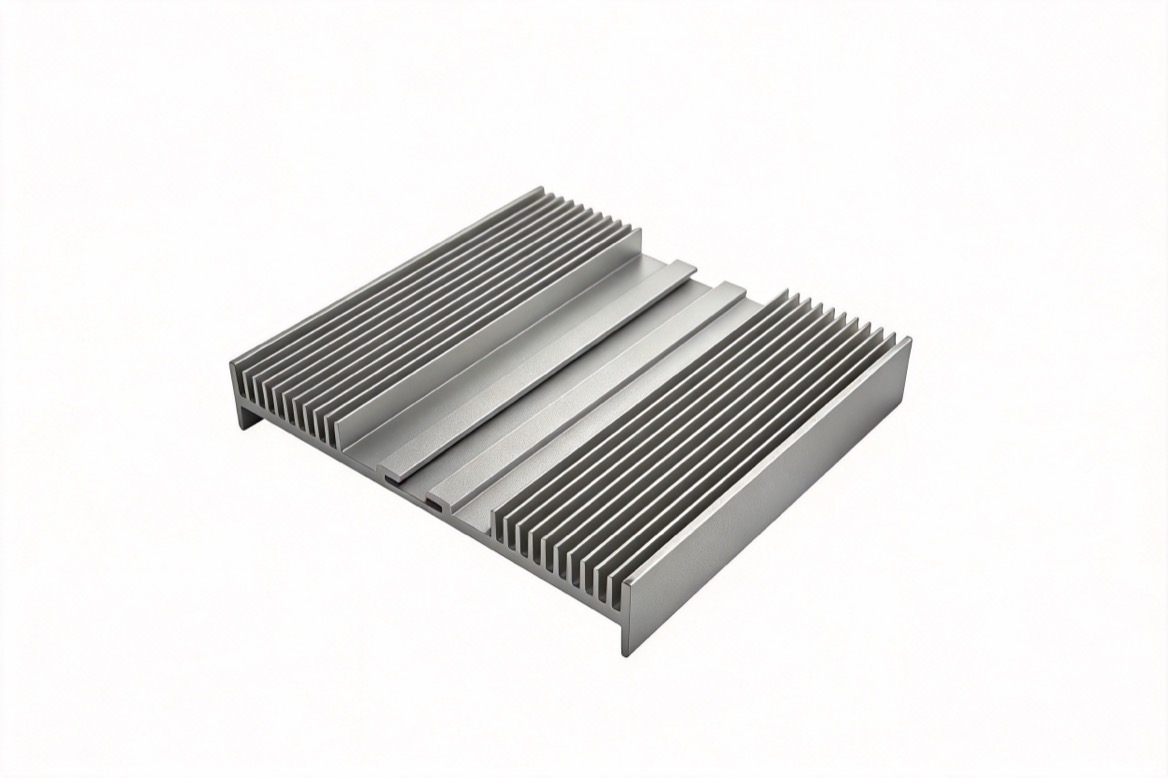
The rear construction of the acoustic panel should guide the hardware decision.
Impaling clips require a material that can accept and hold the prongs. This usually means a fiberglass or mineral-fiber core with a fabric-wrapped surface. If the panel has a dense wood backing, metal rear plate, hard composite board, or thin fragile substrate, impaling clips may not provide an appropriate connection.
Z clips are attached with screws, rivets, or other suitable fasteners to a structural rear frame or backing board. As a result, they are more adaptable to engineered panels and decorative acoustic products.
- Fabric-wrapped fiberglass acoustic panels
- Mineral-fiber panels
- Lightweight wall absorbers
- Fixed acoustic treatments
- Simple residential or small commercial installations
- Framed acoustic panels
- Timber-backed acoustic wall panels
- PET acoustic panels with mounting battens
- Large-format decorative panels
- Modular acoustic systems
- Panels requiring maintenance access
- High-end hospitality and commercial interiors
- Reconfigurable office and studio installations
Before selecting either option, confirm the panel manufacturer's mounting recommendation. The panel's internal frame, thickness, density, and rear surface can significantly affect safe fastening performance.
One of the most common mistakes in acoustic-panel installation is assuming that the clip alone determines load capacity. In practice, the full mounting assembly matters.
A secure installation depends on:
- Panel weight and dimensions
- Number of clips or rail length used
- Aluminum profile thickness and geometry
- Wall substrate
- Fastener type and spacing
- Anchor rating
- Panel-frame strength
- Installation accuracy
- Safety factor required by the project
For example, an aluminum Z clip may have strong interlocking geometry, but the system can still fail if it is attached to weak drywall with unsuitable anchors. Conversely, a properly designed Z rail fixed into studs, masonry, or reinforced backing can provide a far more dependable assembly.
Before installing acoustic panels, identify the wall construction:
| Wall Type | Recommended Consideration |
|---|---|
| Timber studs with drywall | Fasten into studs where possible |
| Metal studs with drywall | Use fasteners rated for metal studs or add backing |
| Concrete or masonry | Use suitable anchors and corrosion-resistant screws |
| Plywood backing | Use screws with sufficient embedment depth |
| Partition wall with no backing | Evaluate rated hollow-wall anchors and panel weight carefully |
| Uneven wall surface | Use shims, spacers, or a rail system to maintain panel alignment |
A qualified installer should also check for concealed electrical wiring, plumbing, ventilation components, and other services before drilling.
For acoustic-panel mounting, aluminum offers several practical advantages.
First, aluminum extrusion allows manufacturers to create consistent, repeatable interlocking profiles. This is important because Z clips rely on precise engagement between the wall-side and panel-side sections.
Second, aluminum is lightweight. That makes long rails easier to transport, cut, handle, and install compared with heavier steel systems.
Third, aluminum has strong corrosion resistance in many indoor environments. This makes it suitable for offices, hospitality spaces, educational facilities, retail interiors, and similar projects where long-term appearance matters.
Finally, extrusion enables customization. A supplier can develop different stand-off depths, engagement heights, lift-off clearances, hole patterns, wall thicknesses, and lengths to suit a particular panel system.
At Guangdong Dapeng Aluminum Industry Co., Ltd., custom aluminum extrusion capabilities can support specialized Z clip and wall-mounting profiles for panel manufacturers, contractors, distributors, and project buyers. This includes industrial-grade extrusions, architectural aluminum profiles, precision cutting, drilling, punching, surface treatment, and other deep-processing services.
For a single small panel, individual Z clips may be sufficient. For larger panels or multiple panels installed in a row, continuous Z rails are often the better option.
A Z rail is an extended aluminum extrusion with the same interlocking principle as a short Z clip. It can run across much of the panel width or across an entire wall section.
- Better alignment: Long rails help keep multiple panels on the same horizontal plane.
- Faster repeat installation: Installers can mount several similar panels with fewer separate hardware pieces.
- Improved load distribution: A longer rail spreads the panel load across more fastening points.
- Cleaner visual results: Consistent panel gaps and top lines are easier to maintain.
- Simplified replacement: Individual panels can be removed and reinstalled without disturbing neighboring panels.
For large acoustic walls, auditorium projects, conference facilities, and modular interior systems, continuous aluminum Z rails often provide a more professional and scalable installation method.
Use the following decision process before ordering hardware.
If panel removal, replacement, access, or reconfiguration may be needed, choose Z clips or Z rails.
If panels are permanent and unlikely to move, impaling clips may be suitable.
A soft, penetrable core supports impaling clips.
A rigid frame, timber backing, or engineered rear substrate is usually better suited to Z clips.
Identify whether the wall is drywall, masonry, timber studs, metal studs, plywood, or a specialized partition system. Select fasteners based on the substrate—not only the clip type.
Consider the full panel weight, not only the acoustic core. Frames, decorative finishes, fire-rated backing, and edge trims can add substantial weight.
A low-cost permanent mounting method may become expensive if a panel must later be removed, repaired, replaced, or relocated.
For Z clips, confirm:
- Profile height
- Stand-off distance
- Interlocking depth
- Lift-off clearance
- Rail length
- Wall thickness
- Screw-hole pattern
- Surface finish
- Required load and safety margin
- Compatibility with the panel frame
These details help ensure the profile performs properly in real-world installation conditions.
For most modern commercial acoustic-panel projects, Z clips are usually the better long-term choice.
They provide concealed mounting, cleaner removability, stronger layout flexibility, and compatibility with a broader range of panel constructions. They are particularly valuable for custom acoustic panels, large-format wall systems, modular interiors, and projects where maintenance access matters.
However, impaling clips should not be dismissed. They remain a practical and economical choice for fixed fabric-wrapped acoustic panels with soft cores. When the panel location is final and removal is not expected, they can deliver a tidy hidden installation with relatively simple hardware.
- The panel has a penetrable acoustic core
- The installation is permanent
- The panels are lightweight
- Budget is limited
- The layout will not change
- Adhesive use is acceptable
- Panels may need removal or replacement
- The panel uses a rigid frame or backing
- The project includes many panels
- Precise alignment is important
- The application requires hidden mechanical mounting
- The wall system needs easier future maintenance
- You need custom aluminum extrusion profiles or rail lengths
The best mounting system is not simply the one that holds a panel today. It is the one that supports safe installation, consistent appearance, efficient production, and future serviceability.
Guangdong Dapeng Aluminum Industry Co., Ltd. provides industrial aluminum profiles, architectural aluminum extrusions, and customized deep-processing solutions for global customers. For acoustic-panel manufacturers, wall-system suppliers, contractors, and distributors, we can help develop custom aluminum Z clips, French cleats, panel rails, concealed mounting profiles, and related extrusion components based on your drawings, dimensions, finishing requirements, and project applications.
Contact our team to discuss your acoustic-panel mounting requirements, request a custom extrusion evaluation, or develop an aluminum Z clip solution designed for your product system and market.
Impaling clips can securely support suitable lightweight fabric-wrapped acoustic panels when they are installed correctly with appropriate wall fasteners and, where specified, adhesive. Their suitability depends on panel weight, core construction, wall substrate, clip quantity, and installation quality.
Removal is possible, but it may damage the rear of the panel, weaken the pierced mounting area, or damage the wall if adhesive has been used. Impaling clips are generally best treated as a permanent or semi-permanent mounting method.
Z clips and French cleats use a similar interlocking hanging principle. In commercial panel applications, aluminum Z clips are often described as metal French cleats because one profile mounts to the wall and the mating profile mounts to the panel.
In many cases, no. Properly designed Z clip systems are mechanically fastened to both the wall and panel frame. Adhesive may be used in special designs, but it is usually not the primary means of support.
Yes. Aluminum extrusion makes it possible to customize Z clip dimensions, stand-off distance, wall thickness, engagement geometry, hole spacing, rail length, surface finish, and other features. Custom profiles are particularly useful for proprietary acoustic-panel systems.
For large panels or multi-panel wall layouts, continuous Z rails are often preferable. They improve alignment, distribute loads across more fastening points, and simplify repeat installation.
Yes, but the fasteners must be selected for the wall structure and the total panel load. Where possible, fasten into studs, plywood backing, masonry, or another verified structural substrate. For hollow walls, use anchors rated for the intended load and application.
1. Orange Aluminum. "Impaling Clips vs Z Clips for Acoustic Panels." [Read the full guide]
2. Acoustics First. "Sonora Wall Panel Impaling Clip Installation Guide." [View installation guidance]
3. Acoustimac. "Impaling Clips Installation Hardware for Acoustic Panels." [Review product information]
4. Eagle Aluminum. "Aluminum French Cleats: Z Clip Mounting System." [Explore aluminum Z clip profiles]
5. Eagle Aluminum. "Aluminum Z-Clip: 1-1/4 Inch Tall, 3/8 Inch Stand-Off, 3/8 Inch Lift." [View Z clip product specifications]
6. Lamvin Acoustical Products. "Acoustical Panel Installation Systems." [Review mounting-system options]
7. Acoustic Design Works. "Acoustic Wall Panel Mounting Instructions: Impaling Clip." [Read installation instructions]


